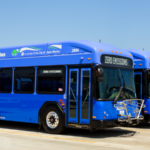

According to Engine Technology Forum (ETF) analysis of S&P Global Mobility TIPNet data as of December 2025, diesel technology remained the technology of choice, powering 76% of the nation’s transit bus fleet. Further, transit districts are steadily replacing older buses with 2010 and newer model year (2010+ MY) clean diesel buses, which now account for an estimated 63% of all diesel transit buses nationally—an increase of 8% from 2023.
Advanced diesel technology was first introduced in transit buses in 2010 and has been the standard for all new diesel buses since that time. The technology achieves near-zero emissions, including 98% fewer particulate matter (PM) emissions and 98% fewer nitrogen oxide (NOx) emissions compared to previous-generation buses. These near-zero emissions are made possible by advanced particulate filters and selective catalytic reduction (SCR) technology, which converts NOx into harmless compounds.
Other technologies powering transit buses include compressed natural gas (CNG), which powers 9.9% of the transit fleet, and all-electric buses, which accounted for 8.6% of the total transit bus fleet at the end of 2025.
The top five states with the highest percentage of advanced diesel buses within their diesel bus fleets are:
- New York
- Rhode Island
- Maryland
- Illinois
- Connecticut
Cleaner Diesel Technology Driving Progress
Diesel buses manufactured from 2010 onward incorporate advanced emissions-control systems, including diesel particulate filters (introduced in 2007) and SCR technology. Together, these systems significantly reduce PM and NOx emissions compared to pre-2007 engines.
Real-World Impact for Communities
The ongoing shift to newer diesel buses is producing immediate benefits, including:
- Lower emissions in urban areas and surrounding communities
- Improved fuel efficiency and reduced operating costs
- Greater reliability for transit districts managing tight budgets
With U.S. public transit ridership reaching approximately 7.66 billion trips in 2024, continued investments in advanced diesel buses represent a meaningful opportunity to reduce transportation-related emissions at scale.
Balanced Approach to Fleet Modernization
While interest in electric and alternative fuel transit buses continues to grow, the data underscores that advanced diesel technology is currently delivering significant near-term emissions reductions nationwide due to its scale, accounting for the vast majority of newly deployed transit buses each year.
“Fleet turnover is one of the most effective tools we have to improve air quality today,” said Allen Schaeffer, executive director of ETF. “The increasing share of 2010+ MY diesel buses shows that transit districts are making practical, cost-effective investments that deliver immediate environmental and operational benefits for their riders.”
Looking Ahead
New federal diesel emissions standards for all heavy-duty vehicles that take effect in 2027 will further reduce emissions of NOx and PM by over 80% compared to current-generation technology. If current replacement rates hold, 2010+ MY diesel buses will exceed 70% of the national diesel fleet within the next one to two years, bringing cleaner air to more communities.
For more information, including data from all 50 states, visit enginetechforum.org/in-your-state.