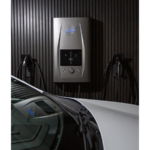
The Electric Vehicles Vision Group (evVG) has released its latest Vision Report, “Charging Forward: How Bidirectional EVs Could Reshape American Energy,” examining how intelligently managed bidirectional electric vehicles could mitigate the need for costly grid upgrades.
The evVG virtual quarterly meeting, held on May 12, 2026, was facilitated by Nathan Niese, managing director and partner at Boston Consulting Group, and featured a presentation by evVG member Jose Torre-Bueno, Ph.D., executive director of the Center for Community Energy. A robust discussion with evVG members and guests followed.
Key takeaways in the report include:
- Managing the Duck Curve and the Case for Bidirectional EVs: According to presenter Jose Torre-Bueno, California’s existing EV fleet already holds enough battery capacity to flatten the sharp evening electricity demand spike known as the “duck curve” through 2030. However, accessing that capacity requires a shift to daytime workplace charging and bidirectional vehicles that can carry stored energy home. “Cars have very big batteries and you’ve already paid for them when you bought the car. So, of all the ways of having local energy, vehicles seem to be the best one at this moment in California, and in general,” said Jose Torre-Bueno, Executive Director, Center for Community Energy.
- Consumer Incentives and Driver Behavior: Drivers with bidirectional vehicles who charge during the day and draw on stored energy during peak evening hours are already realizing significant cost arbitrage, but shaping broader consumer behavior will require the right incentive structures. “We can’t lose sight of the fact that there’s also consumer behavior. We can control for so many different things, but we have to create incentives that actually influence consumer behavior,” said Jay Smith, executive director, Charge Ahead Partnership.
- Retail and Fleet Opportunities: Bidirectional EVs parked in retail lots could buffer costly demand charge spikes during peak hours, but the more immediate and reliable near-term opportunity lies with managed fleets powering their own buildings rather than individual consumers selling electrons on a whim. “I think battery technology, if that continues to improve and we can add storage at the site so that we can control the time of use and demand charges, would be helpful to us,” said Tom Healey, VP of facilities, Nouria Energy Corporation.
- Grid Equity and What Comes Next: Without deliberate public intervention, the clean energy transition risks creating a two-tier transportation system that leaves low-income communities behind, as private charge point operators are unlikely to invest in underserved areas and federal NEVI program installations remain stalled. “The private market is never going to put them in low-income areas. And everybody should have fair access to charging,” said Karen Apple, former electric vehicle program manager, City of Phoenix.
This new online Vision Report format includes the must-read evVG Views summary, easily digestible Key Takeaways, and Jose Torre-Bueno’s presentation video and slides.
To download this and other Vision Group Network Vision Reports, please CLICK HERE.